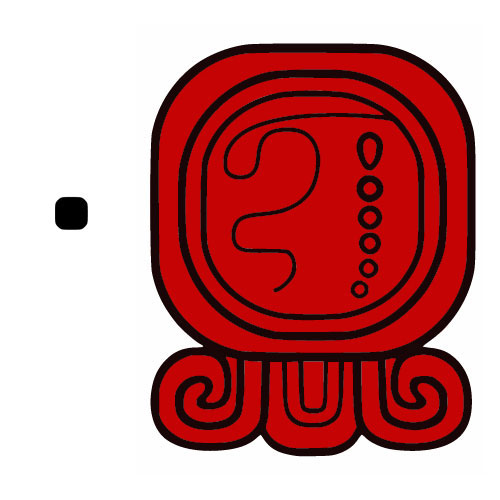
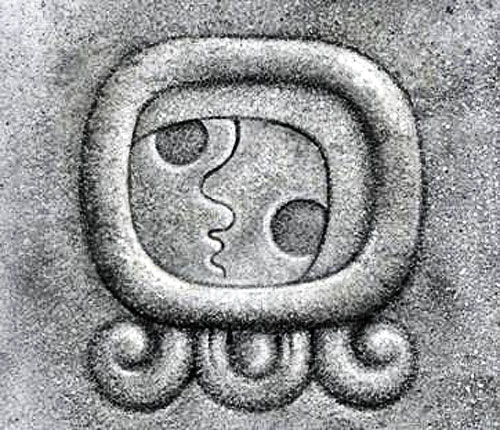
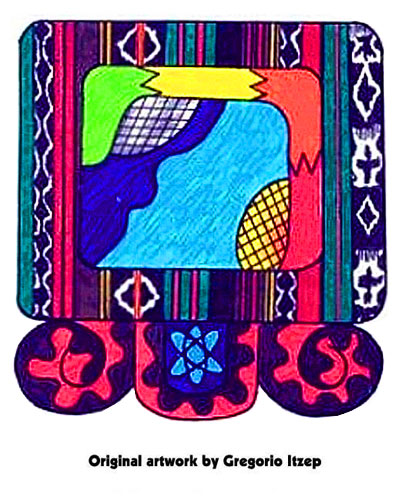
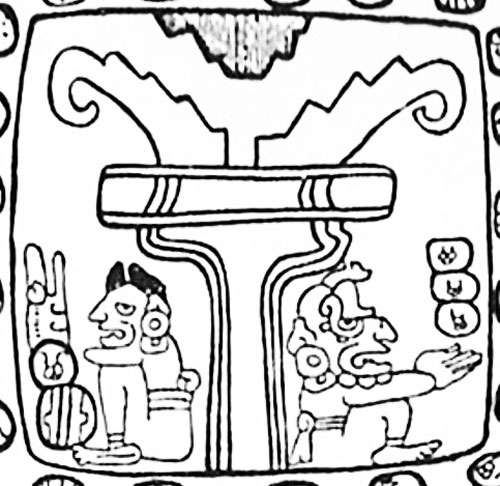
Keeper of the garden of Earth. Profound synchronistic connections to Earth’s natural cycles and energies. Power of Creation. Memories of ancient wisdom…Click hereto read full description.
The Trecena of No’j (11th – 23rd October, 2025)
by Mark Elmy
The Trecena of No’j is a time to bring forward new ideas and new solutions, new ways of putting your knowledge into practice. Click here to view Mark’s trecena videos.
Tzolkin Trecena Notes 1 Earth (Caban)
by William and Viola Welsch
Inherent potential, germination, dynamic emergence, sexual maturity, gratitude leading to abundance.
In many ancient cultures, the lizard symbolized growth and fertility. Rock art throughout the Southwest depicts the lizard in this context. To the Maya, this day represented corn and ripeness. The Kan glyph was often found depicted near food offerings suggesting that corn was not only the most important food but also the seed of life…Click here to read full article.
Jaguar Wisdom 1 – Caban (No’j)
by Kenneth Johnson
No’j is the day of the mind. For the most part, the mind is seen as a noble thing, a marvelous tool of the spirit that lifts our thoughts and our aspirations toward heaven. But the mind can be a trickster as well, a source of confusion and contradiction…Click here to read full article.
The Tzolk’in Clock Earth (Caban)
by White Shaman
Our new collective consciousness is born from 1-earth to 13-water. The peak of this trecena is 7-house, the noblest day with a strong sense of community. 13-water is the day our updated collective consciousness emerges. Just as a spider makes a new web each day, our collective consciousness makes a new web for the next Tzolk’in round inside of the Tzolk’in Clock…Click here to read full article.
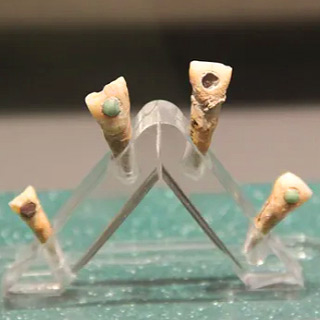
7-year-old Maya Child Had Green Jade ‘Tooth Gem,’ New Study Finds
by Tom Metcalfe
Archaeologists already knew that adult Maya had tooth inlays, but this is some of the first evidence that children also had tooth bling.
Centuries ago, Maya children as young as 7 had “tooth gems” — jade inlays in their teeth that likely symbolized social maturity or a rite of passage, a new study finds.
Archaeologists already knew that pre-Hispanic Maya adults often sported tooth inlays. But “what is tantalizing is the young age of the individuals” analyzed in the new research, the authors wrote in the study.
Dental inlays were common during the Maya Classic (A.D. 250 to 900) and Postclassic (900 to 1550) periods in what are now southern Mexico and parts of Central America. Earlier research found that both men and women had these “dental gems” and that more than half of adults had them during the Classic period…Click here to read full article.