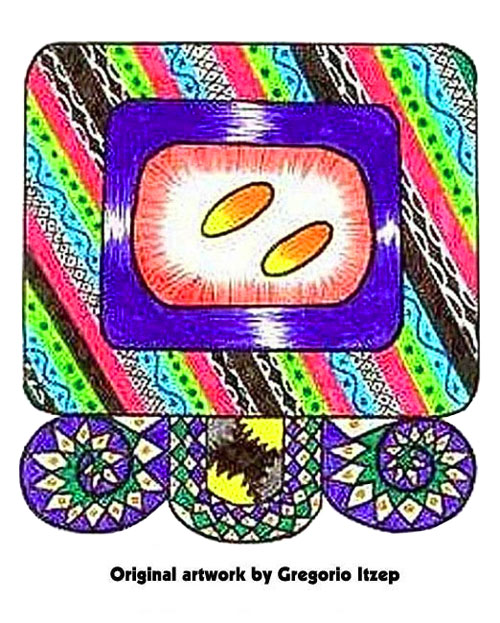
These stunningly beautiful Mayan Calendar Journey Cards are a graphical translation of the Maya Naguals in a full color 72 card set with 178 page Guidebook created by EpicLife.
Movement and the creation of time. Sensual and dramatic. Instinctual wisdom. Connection from earth bound to Heavenly aspirations…Click hereto read full description.
The Trecena of Kan (20th August – 1st September 2025)
by Mark Elmy
The Trecena of Kan gives us new opportunities to learn, to discover new wisdom and to begin to empower ourselves and others.
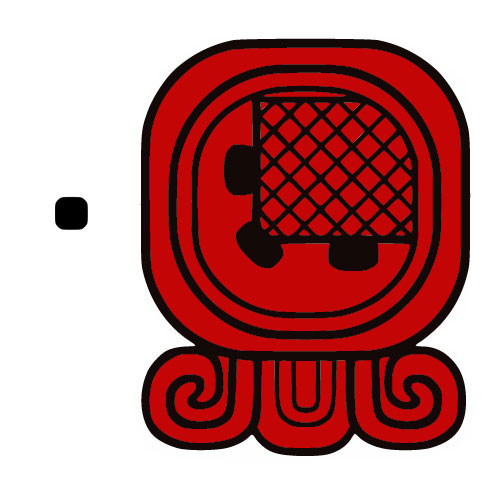
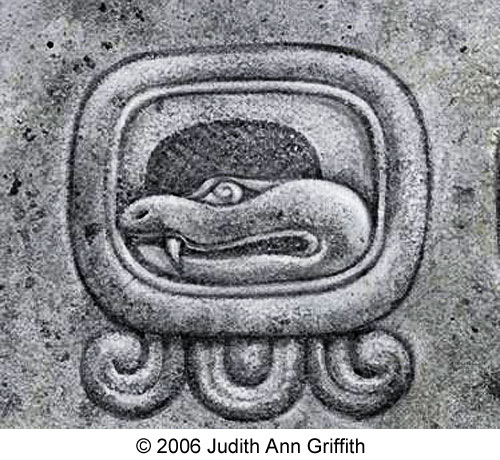
To the Ancient Maya, Chicchan or Serpent/Snake was the bringer of rain, symbolized by the Snake Dance or Rain Dance performed by many native cultures such as the Hopi in the Desert Southwest and the Toltec in Mexico. In Maya legend, there were Four Chicchans, Sky Serpents, who encircled the world…Click here to read full article.
Jaguar Wisdom 1 – Serpent (Chicchan, Kan)
by Kenneth Johnson
Serpent day is always good for transforming human experience into knowledge and insight. If the “smoking mirror” of reality shows you your shadow side today, don’t be afraid to look. Wisdom might very well be the result of your endeavors…Click here to read full article.
The Tzolk’in Clock Serpent Trecena
by White Shaman
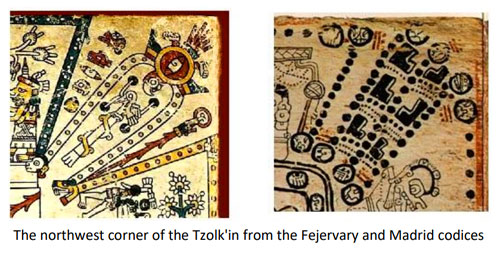
This article is about both the Serpent and Flint trecenas, with a focus on the Serpent trecena. Part two will focus on the Flint trecena. It is important to see how the two trecenas of a corner work. The Tzolk’in Clock has four faces and four corners. The faces on the Tzolk’in as depicted in the Madrid codex have the words east, north, west and south written in the Mayan language…Click here to read full article.

Maya Civilization Had 16 Million People At Peak, New Study Finds
by Sascha Pare
After using lasers to map the Maya Lowlands, researchers have updated their estimates of the total Maya population during the Late Classic Period (A.D. 600 to 900).
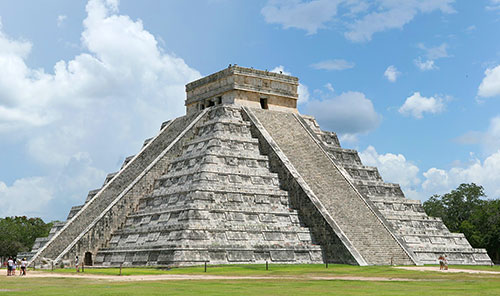
The Maya population during the civilization’s peak 1,400 years ago may have been far larger than previously thought, new research reveals. The study also hints that Maya settlements at that time were far more complex and interconnected than prior studies had suggested.
A 2018 study estimated there were 11 million Maya between A.D. 600 and 900, known as the Late Classic Period. But in new research published online July 7 in the Journal of Archaeological Science: Reports, some of the 2018 study’s authors have revised the estimate to 16 million...Click here to read full article.