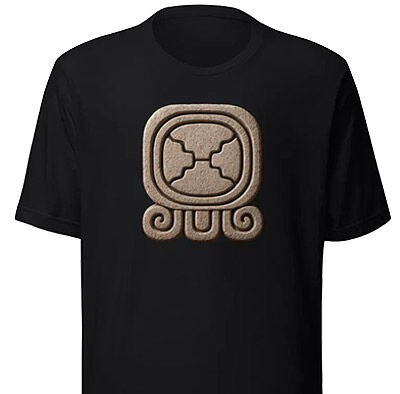
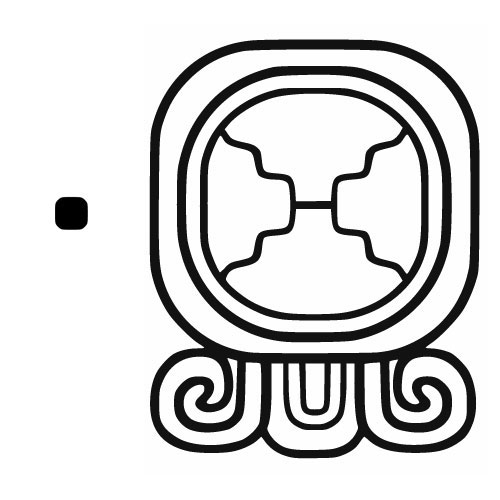
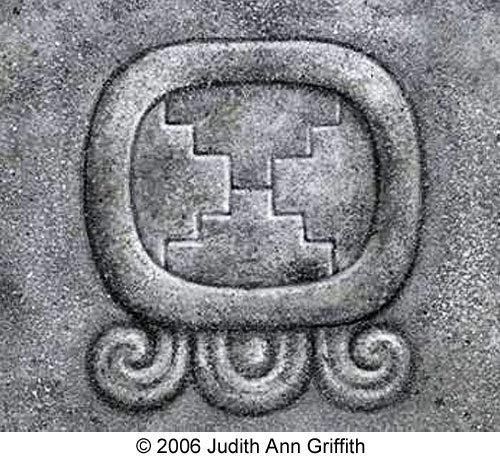
Mirror of reality. As struck by flint. Divine sparks of intelligence. Standing to protect, defend or cure others by personal sacrifice. Wielding the sword of truth, falsehoods are cut away…Click hereto read full description.
The Trecena of Tijax (20th May -1st June, 2026)
by Mark Elmy
The trecena of Tijax presents an opportunity to release what is causing imbalance in life in order to promote healing, to cut through to our truth. It is a time of refinement as we polish our inner diamond.
Click here to view Mark’s Tijax trecena video presentation.
Tzolkin Trecena Notes 1 Flint (Etznab)
by William and Viola Welsch
To the Ancient Maya, Flint symbolized the consciousness of duality, right and wrong, good and evil, faith and fear, the spiritual warrior who, through his actions, chooses the ethical and moral path. The symbolic knife can be healing (as used by a surgeon or curandero) or destructive (as used by a fighter). This recognition of the duality allows each of us the opportunity to transcend pain and suffering by choosing to live in joy and gratitude…Click here to read full article.
Jaguar Wisdom 1 – Flint (Etznab)
by Kenneth Johnson
Tijax, the obsidian knife, is the instrument of the healer as well as the warrior. Use the sharp black volcanic blade to boldly cut away all those things you still carry with you as a burden but which no longer serve your life purpose…Click here to read full article.
The Tzolk’in Clock Serpent and the Flint Trecenas (Part Two)
by White Shaman
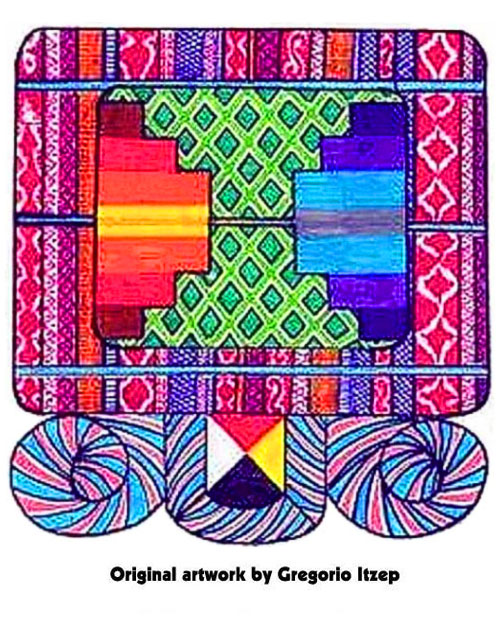
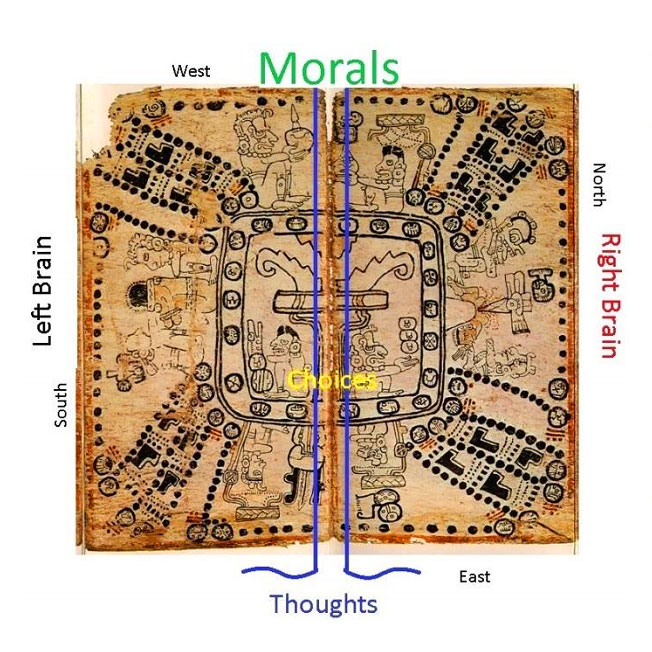
The Tzolk’in Clock relates daily energy to our minds, hearts and spirits and is a human connection with divinity. It is also Clock to create your reality and its three-dimensional representation locates your outlook and the outlook of others. It’s deeply rooted to your chakras and describes both our awake and asleep consciousness. These articles are a look at this ancient understanding of time….Click here to read full article.
Maya Blue: Unlocking the Mysteries of an Ancient Pigment
by Dr. Dean E. Arnold
Maya Blue is a beautiful blue pigment used by the ancient Maya from the Late Preclassic Period (300 BC – 300 AD) up into the Colonial Period (pic 1). It mimics the color of the azure sky and the turquoise of the Caribbean that one sees from the Maya Rivera – that incomparable strip of coastline that stretches along the east side of the Yucatán Peninsula.
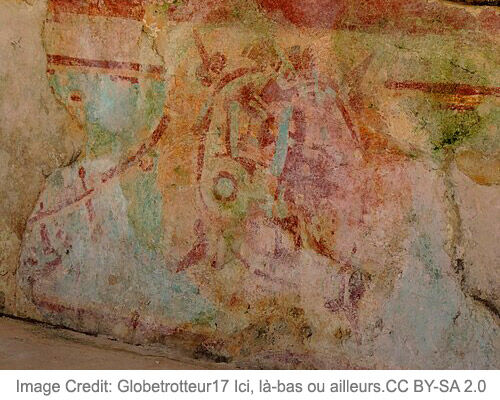
Maya Blue was the color of sacrifice for the ancient Maya, and they painted human sacrifices, sculpture, pottery, murals, and codices with it (pic 2). Symbolizing the rain god Chaak, among other meanings, the Maya employed it largely during the Late Classic, Terminal Classic, and Postclassic Periods. After the Spanish Conquest, it occurred on murals in churches and convents, and there is some evidence that it was used up into the 19th century…Click here to read full article.